
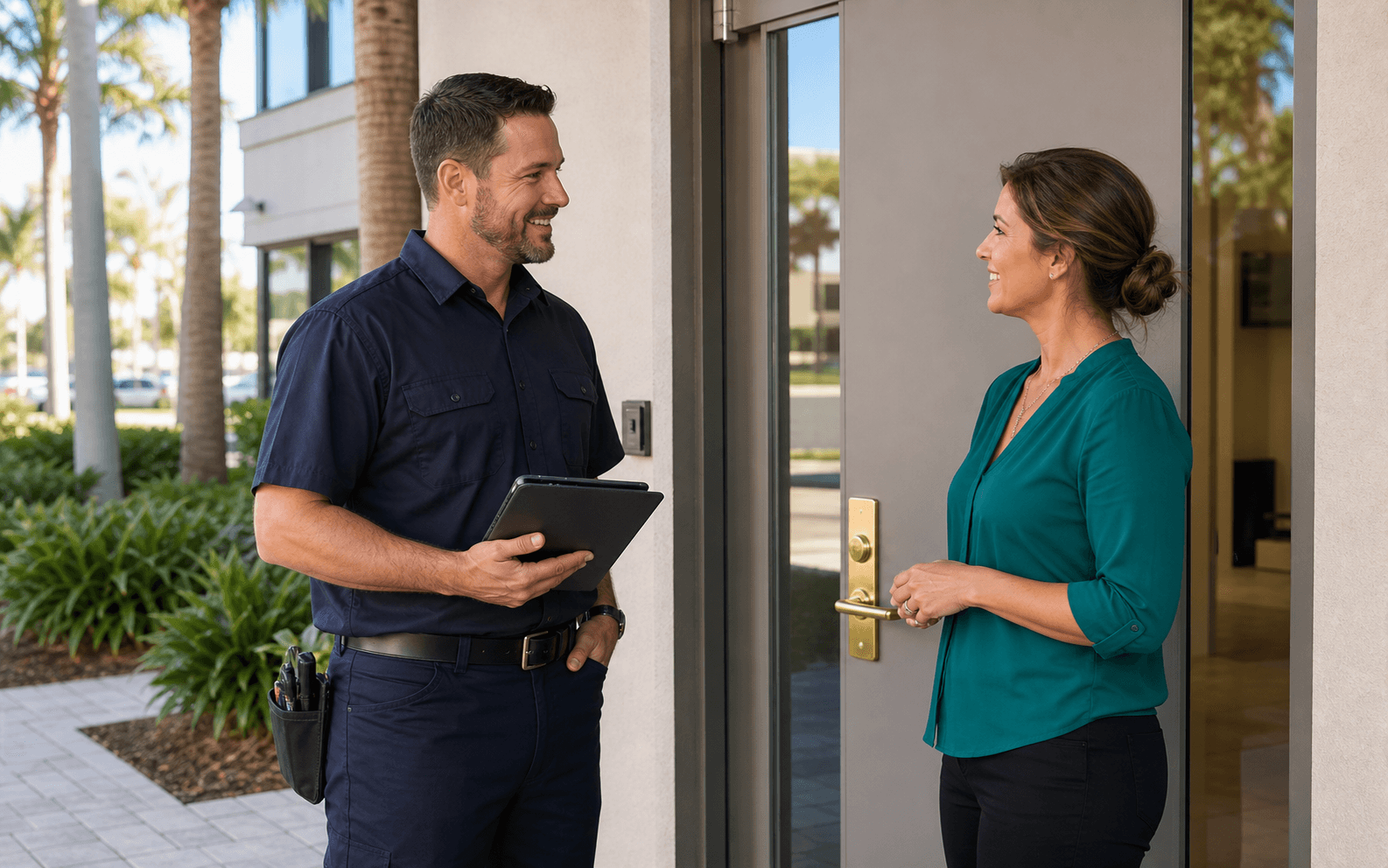
If you are wondering how long does it take to rekey a lock, the short answer is that a straightforward residential rekey often takes about 15 to 30 minutes per lock for a locksmith, while some compatible DIY systems can be changed in minutes or even less. The exact time depends on the lock brand, the condition of the hardware, whether multiple locks are being keyed alike, and whether the cylinder is a standard pin-tumbler design or a higher-security system.
For homeowners in Southwest Florida, the most useful expectation is that rekeying is usually a same-visit service, not an all-day project. Still, it is not possible to give one fixed time for every job because lock design, wear, and key system compatibility all matter. If you are planning a visit from a locksmith fort myers provider, the best estimate comes from the actual lock model and the number of doors involved.
What Affects Rekeying Time
Rekeying changes the internal pins or wafers inside a lock so an old key no longer works and a new key does. That sounds simple, but the time required can vary a lot from one lock to another. A fresh, common residential lock is usually much faster than an older or specialized lock with worn parts.
Lock type and brand
Standard residential deadbolts and knob locks are usually quicker to rekey than high-security models or locks that use proprietary keyways. Some brands offer easier rekey systems, while traditional cylinder locks may require more careful disassembly and repinning. Manufacturer guidance for compatible DIY rekey systems often describes the process as very quick, but that does not mean every lock can be changed at the same pace.
Condition of the hardware
An older lock can take more time because of wear, corrosion, loose parts, or previous incorrect installation. If a key has been sticking, turning roughly, or only working inconsistently, the locksmith may need extra time to evaluate whether rekeying is the right option or whether the hardware should be repaired or replaced instead. That kind of assessment is part of why time estimates are usually given as ranges rather than exact minutes.
Number of locks being keyed alike
Many homeowners want several doors to open with one key. That can be convenient, but it can also add time because the locksmith has to make sure the cylinders are matched correctly. Rekeying one lock is usually faster than rekeying an entire home. If a property has multiple entry points, garage doors, patio doors, and interior access points, the total appointment time will naturally increase.
High-security or special key systems
High-security locks, restricted keyways, and some smart or commercial systems may require unique procedures or special parts. Those jobs may take longer, and some systems are not meant to be rekeyed in the same way as standard residential hardware. In those situations, the safest expectation is that timing depends on the exact model and on whether replacement components are available.
Access and preparation
Time also changes based on how easy it is to access the lock. A clear, well-lit door is easier to service than hardware mounted on a damaged frame or a door with alignment problems. If the homeowner has the current keys available and can identify which locks should be changed, the appointment often moves more smoothly. Missing information can add discussion time before any actual rekey work begins.
DIY versus professional service
Some brands market user-friendly rekey features that can be completed very quickly on compatible locks. That said, not every lock is compatible with those systems, and the faster manufacturer claims apply only to the specific products they are describing. Traditional rekeying by a locksmith often takes longer because it involves removing the cylinder, repinning it, testing the new key, and making sure the lock works smoothly after reassembly.
| Situation | Typical time estimate | What can change the timeline |
|---|---|---|
| Compatible DIY rekey system | Seconds to a few minutes | Only on the exact brand and model designed for that method |
| Standard residential lock, single cylinder | About 15 to 30 minutes per lock | Wear, age, access, and whether the lock is functioning normally |
| Several locks keyed alike | Longer than a single lock | Number of cylinders, matching keying requirements, and lock consistency |
| High-security or nonstandard lock | Varies widely | Special components, compatibility, and whether replacement is needed |
| Damaged or worn hardware | May take extra time or shift to replacement | Internal damage, corrosion, or alignment issues |
Comparison: Rekeying is usually faster and less disruptive than replacing all of the lock hardware, because the outer lock body can often stay in place while the internal keying changes. Replacement can make sense when the hardware is damaged, outdated, or incompatible, but it generally involves more parts, more labor, and a longer visit.
In many real-world cases, customers ask about rekeying after a move, after a tenant change, or after losing track of who has copies of the old key. If that is your situation, our related guide on rekeying locks after moving can help you think through the practical side of the decision.
When Rekeying Takes Longer Than Expected
It is normal for rekeying to be a quick service, but some jobs need more time. Knowing the common reasons can help you plan a realistic appointment window and avoid surprises.
Signs the job may take longer
- The key is difficult to insert, turn, or remove.
- The lock was already sticking or feeling loose before the appointment.
- The lock is older, heavily used, or has visible corrosion.
- The customer wants multiple entrances to operate on one new key.
- The lock uses a special keyway or a restricted key system.
- The hardware may have been installed incorrectly or modified previously.
When rekeying may not be the best option
Rekeying is useful when the hardware is still in good working condition and the goal is to change which key opens it. However, if the cylinder is worn out, the strike and latch are misaligned, or the lock body is damaged, rekeying alone may not solve the underlying issue. In those cases, a locksmith may recommend repair or replacement instead of spending time on a lock that will remain unreliable.
Residential versus commercial timing
Residential rekeying is often more straightforward because the hardware is usually simpler and the number of locks is smaller. Commercial properties can take longer because they may have more doors, more keyed access levels, and more coordination requirements. Some businesses also use master key systems, which require careful planning so the final key hierarchy works as intended. That is another reason actual service times vary by property type.
What homeowners can do before the appointment
- Identify every lock that should be rekeyed.
- Gather any working keys that currently open the doors.
- Note whether you want all locks to use one key or separate keys.
- Tell the locksmith if any locks are sticking, loose, or damaged.
- Make sure the doors are accessible and the work area is clear.
Those small steps can make the visit more efficient, especially when more than one lock is involved. They also help the locksmith give a better estimate based on the actual hardware rather than a generic average.
Florida timing and legal context
Florida law regulates locksmith-related activities in some contexts, but it does not set one universal time limit for rekeying a lock. There is no fixed statewide rule that says every rekey must take a certain number of minutes. The timeline depends on the lock, the property, the service provider, and whether the work is simple rekeying or something more complex. If ownership or authorization is unclear, the right first step is to verify who has the legal right to request the service before any non-destructive work begins.
Frequently Asked Questions
Can a locksmith rekey a lock in one visit?
Often, yes. For a standard residential lock in good condition, rekeying is commonly completed during a single visit. The appointment length depends on how many locks are involved and whether the hardware needs extra attention.
Is rekeying faster than replacing a lock?
Usually, yes. Rekeying keeps the existing lock body in place and changes the internal keying. Replacement involves new hardware and can take more time, especially if the door or existing bore needs additional fitting. That said, replacement may be the better option if the lock is damaged or worn out.
How long does it take to rekey multiple locks to one key?
It generally takes longer than rekeying one lock because each cylinder must be matched to the same key. The total time depends on how many locks there are, whether they are the same brand, and whether any of them are damaged or nonstandard.
Do smart locks take the same amount of time to rekey?
Not always. Some smart locks use a standard mechanical cylinder that can be rekeyed, while others rely on a different design or may not support traditional rekeying in the same way. Compatibility is model specific, so the safest answer is to check the exact brand and model before assuming the time will be similar.
Should I try to rekey a lock myself?
Only if the lock is explicitly designed for that method and you are comfortable following the manufacturer instructions exactly. If the lock is valuable, old, high-security, or part of a keyed system you do not fully understand, professional service is often the safer choice. If ownership, access rights, or the lock type is uncertain, it is better to pause and verify the situation first.
In short, most standard rekey jobs are quick, but the real answer to how long does it take to rekey a lock depends on the hardware in front of you. A simple residential cylinder may take only a short visit, while older, high-security, or multi-lock jobs can take longer. If you are planning ahead, it helps to know the lock brand, whether the doors should all work with one key, and whether any hardware has existing wear or damage. That information gives you a more realistic timeline and helps the locksmith prepare for the work.