
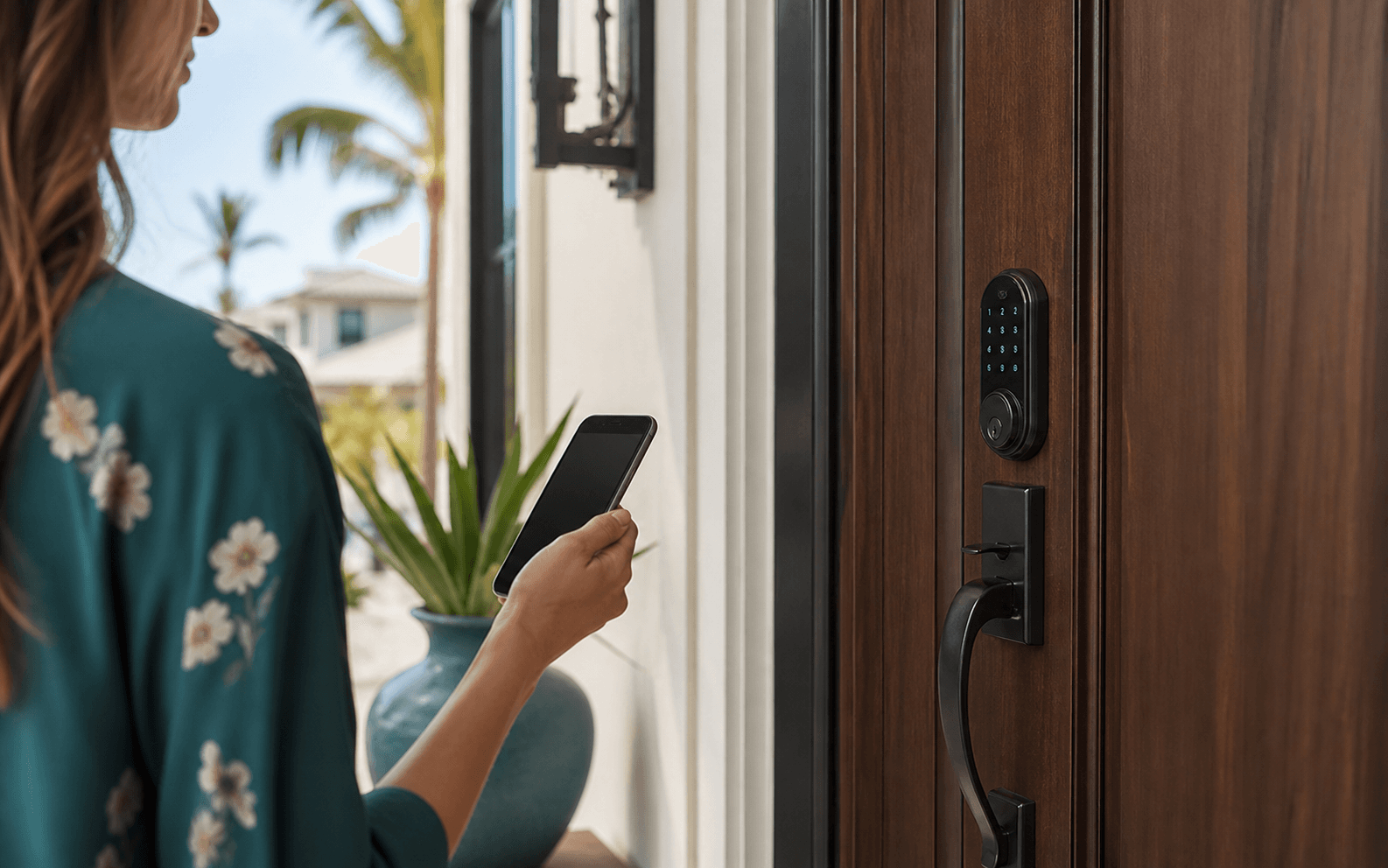
A mortise lockset is a lock assembly that fits into a rectangular pocket, called a mortise, cut into the edge of the door rather than mounting on the surface. In plain terms, when people ask what is a mortise lockset, they are usually asking about a more complex lock body that sits inside the door and works with matching trim, handles, and latch components. These locksets are common on commercial doors and are also found in some higher end homes because they can support multiple functions in one hardware package.
Understanding mortise hardware matters because replacement, repair, and compatibility depend on the door preparation, the size of the pocket, and the lock function already installed. If you are unsure whether your door has a mortise lockset, a qualified locksmith can help identify the hardware, compare it to suitable replacements, and explain what options fit your door without unnecessary modifications. For homeowners looking for local help, a residential locksmith fort myers can be a practical starting point for an on site evaluation.
How a Mortise Lockset Works
A mortise lockset is built around a lock case that slides into a pocket inside the door edge. That case may contain the latch, deadbolt, spring components, internal levers, and other moving parts depending on the design. The trim on both sides of the door, such as handles, knobs, or levers, connects to that internal case and operates the locking function.
Core parts of the assembly
- Lock case: The main body that fits inside the mortise pocket.
- Latch or deadbolt elements: The components that secure the door in the frame.
- Spindle or operating linkage: The connection between the handles and the internal mechanism.
- Trim: The exterior and interior hardware visible on the door face.
- Strike plate: The frame side piece that receives the latch or bolt.
The exact contents vary by manufacturer and by the door function. Some mortise locksets provide only a latch function, while others combine latching, deadlocking, keyed entry, privacy, or exit features in a single assembly. That flexibility is one reason mortise hardware is widely used in buildings where doors need to serve different purposes.
Why the mortise design is different
Unlike a cylindrical lock that relies on a bored round hole and a separate latch body, a mortise lockset depends on a rectangular cutout in the door edge. That difference affects installation, replacement, and compatibility. The pocket dimensions, backset, faceplate shape, and function code all need to align with the existing door prep for the hardware to fit and work correctly.
Mortise hardware often feels more substantial because the mechanism is housed inside the door. That does not automatically make one lock safer than another in every setting, but it does mean the lockset can be designed with a wide range of functions and trim styles for specific door types.
| Feature | Mortise Lockset | Cylindrical Lock |
|---|---|---|
| Where it mounts | Inside a rectangular pocket in the door edge | Through a drilled round hole in the door |
| Hardware complexity | Often more complex with more internal parts | Usually simpler and more standardized |
| Common applications | Commercial, institutional, and higher end residential doors | Many residential interior and exterior doors |
| Replacement fit | Must match the mortise pocket and function | Must match hole size, backset, and trim style |
| Customization | Wide range of functions and trim choices | Also available in many styles, but typically fewer internal functions |
Comparison: Mortise locksets are usually chosen when a door needs a more integrated, adaptable hardware package, while cylindrical locks are often preferred for simpler, more standardized installations. The best choice depends on the door itself, the building use, and the existing prep.
Where Mortise Locksets Are Used and Why They Matter
Mortise locksets are commonly found on commercial, institutional, and higher end residential doors. Their popularity in these settings comes from their versatility and the way they can combine several functions in one assembly. That makes them useful for doors that must support entry control, privacy, passage, or egress related hardware combinations, depending on the application and code requirements.
Common environments
- Commercial buildings: Offices, retail spaces, and multi tenant properties often use mortise hardware on main entry or interior access doors.
- Institutional properties: Schools, healthcare facilities, and civic buildings may use mortise hardware because of the range of functions available.
- Higher end residential doors: Some homeowners prefer mortise locksets for their look, feel, and compatibility with premium door styles.
Because mortise locksets are more specialized than many basic residential locks, replacement often involves more than choosing a similar looking handle. The lock case, faceplate, backset, handing, and function all need to align with the existing opening. Even small differences in pocket size or trim dimensions can make a replacement incompatible.
What affects compatibility
If you are considering a repair or replacement, the following details usually matter:
- Door thickness: Hardware must match the door thickness range.
- Mortise pocket size: The body of the lock case must fit the existing cutout.
- Backset: The distance from the door edge to the centerline of the trim or keyway needs to align.
- Faceplate style: The visible edge plate must suit the door edge cut and strike arrangement.
- Function: Entry, passage, privacy, storeroom, or other functions are not interchangeable without checking the full specification.
In many cases, the safest and most efficient path is to identify the existing hardware before buying a replacement. That can save time and reduce the risk of ordering a lockset that looks similar but does not fit the door. If the door is part of a condo, rental, commercial suite, or shared building, lease terms, owner approval, or building rules may also affect what can be changed, so it is wise to confirm permission before replacing hardware.
For a broader overview of emergency access situations and what to do when a door will not open normally, you may also find this emergency locksmith guide helpful.
When a mortise lockset may be the right choice
A mortise lockset may make sense when you want a durable, integrated lock body and the door is already prepared for that style of hardware. It may also be the right choice when the building design calls for a specific trim style, a keyed function with interior control, or compatibility with existing mortise hardware across multiple doors.
It may not be the simplest choice if the door is currently set up for a cylindrical lock and there is no need to convert the prep. Converting door preparations can add labor, may require additional parts, and may not be appropriate for certain doors or building conditions. A locksmith can explain whether direct replacement, repair, or a different hardware type is the better option.
Frequently Asked Questions
Is a mortise lockset better than a regular door lock?
Not always. A mortise lockset is different, not automatically better. It is often selected because it offers more hardware options and fits specific door preparations. A regular cylindrical lock may be perfectly appropriate for many homes and interior doors. The best choice depends on the door, the building, and the function you need.
How can I tell if my door has a mortise lockset?
Look at the door edge. If the lock hardware appears to be housed inside a rectangular pocket rather than mounted primarily through a round bored opening, it may be a mortise lockset. The faceplate on the edge of the door is often a clue as well. If you are unsure, a photo review by a locksmith can help confirm it without guesswork.
Can I replace a mortise lockset with a different style of lock?
Sometimes, but not always. Replacement depends on the door construction, the existing pocket, the door thickness, and the required function. In many cases, the most practical replacement is one that matches the existing mortise prep. Switching to another style may require additional door work and should be evaluated before any changes are made.
Do mortise locksets cost more to replace?
They often can, but prices vary widely based on brand, function, trim, door condition, and labor involved. Some mortise sets are relatively straightforward to service, while others require specific parts or careful matching. Any estimate should be treated as variable until the hardware is identified in person.
Should I call a locksmith or the manufacturer first?
If the door is simply not functioning as it should and you have lawful access, a locksmith is often a good first call because they can identify the hardware and explain options. If the lock is under a special warranty, part of a proprietary system, or tied to a building wide specification, the manufacturer, property manager, or dealer may also need to be involved. For rented or shared spaces, confirm approval before making changes.
Mortise locksets are a practical and versatile option, but they are also specific. The key to working with them is matching the hardware to the door instead of assuming that one lockset will fit all similar openings. If you are trying to identify a mortise lockset, replace one, or compare it to another hardware type, the safest approach is to document the door, note the visible measurements, and consult a qualified professional who can verify the fit before any purchase or installation.