
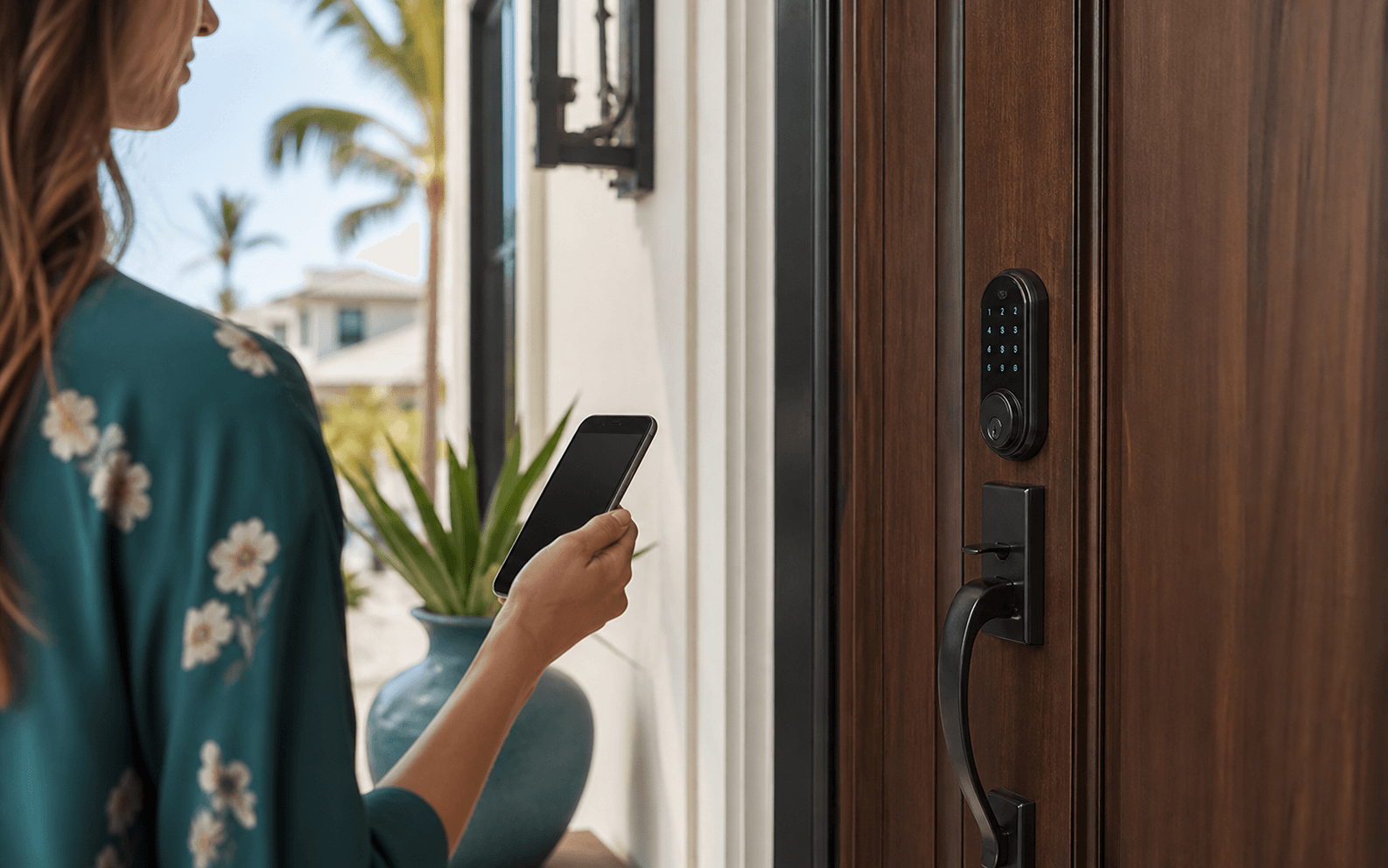
If you are wondering how do doors work, the simple answer is that a door is a movable barrier that swings, slides, pivots, or lifts within a frame so people can move through an opening while still controlling privacy, security, and weather protection. In most homes, the key parts are the door slab, hinges, frame, latch, strike plate, and sometimes a deadbolt. When those parts are aligned and in good condition, the door opens easily, closes securely, and stays where it should.
The basic parts of a door system
Most people think of a door as just a slab of wood, fiberglass, metal, or glass, but a working door is really a system. The slab is only one piece. It depends on the frame, hinge hardware, fasteners, and closing hardware to do its job correctly. If one part changes, the whole experience changes.
The door slab
The slab is the moving panel itself. It can be solid, hollow-core, insulated, fire-rated, reinforced, or designed for impact resistance. Its thickness, weight, and material affect how it feels to open and close. A heavier door usually places more stress on hinges and fasteners, while a lighter interior door may move with very little resistance.
The frame
The frame is the fixed structure that surrounds the opening. It supports the hinges on one side and the strike plate on the other. If the frame is out of square, shifted, swollen, or damaged, the door may rub, stick, or fail to latch. Even a strong lock will not perform well if the frame is weak or misaligned.
The hinges
In a hinged door, the slab rotates around hinge pins attached to the frame. Hinges act like the door's pivot point and carry much of the weight. Their size, placement, and condition matter. Loose screws, worn pins, or bent hinge leaves can cause sagging, which may lead to dragging on the floor or poor latch alignment.
The latch and strike plate
A standard latch uses a spring-loaded, beveled bolt. When the door closes, the bevel meets the strike plate and retracts briefly, then springs back into the strike plate opening to hold the door shut. The strike plate is the metal plate mounted on the frame that receives the latch. This part pairing is what usually keeps an everyday interior or exterior door closed without using a key.
The deadbolt
A deadbolt works differently from a standard latch. It typically does not spring back on its own. Instead, it is extended or retracted by a key or thumbturn. Because it has a more rigid locking action, a deadbolt is commonly used for stronger security on exterior residential doors. A deadbolt still depends on correct alignment with the frame and strike plate to function well.
| Door part | Main job | Common issue when it fails |
|---|---|---|
| Door slab | Forms the moving barrier | Warping, swelling, damage, or drag |
| Frame | Supports the opening and hardware | Misalignment, shifting, or rot |
| Hinges | Allow the door to swing | Sagging, squeaking, loose screws |
| Latch | Holds the door closed | Not catching, sticking, or bouncing back |
| Strike plate | Receives the latch or bolt | Poor alignment or loose mounting |
| Deadbolt | Adds stronger locking security | Key or thumbturn feels stiff, bolt does not line up |
For homeowners comparing hardware or planning repairs, it can help to think about the whole opening instead of only the lock. A well-built door with poor installation may perform worse than a simpler door with a strong, properly aligned frame. If you need local help understanding options for a residential locksmith fort myers, it is usually best to identify the door type, the hardware type, and the exact symptom first.
Comparison: A latch is designed for everyday closure and quick use, while a deadbolt is designed for stronger locked security. A hinge lets the door move, but the frame and strike plate help determine whether that movement ends with a clean close or a poor fit.
How different door types work
Not all doors operate the same way. The basic idea of controlling an opening is universal, but the movement, hardware, and failure points vary by design. That is why the answer to how do doors work changes depending on whether you mean an interior bedroom door, an exterior entry door, a sliding patio door, a garage door, or a fire-rated commercial opening.
Interior hinged doors
Interior doors are often lightweight and built for privacy, sound reduction, and room separation rather than serious security. They usually rely on simple hinges and a passage latch or privacy lock. Because they are lighter, even slight misalignment can make them feel sticky or cause the latch to miss the strike plate.
Exterior entry doors
Exterior doors are usually built to handle weather, repeated use, and security demands. They may include weatherstripping, insulated cores, multi-point locking hardware, and a deadbolt. The better the fit between slab, frame, threshold, and seals, the less likely the door is to let in drafts, water, or unwanted movement.
Sliding doors
Sliding doors do not swing on hinges. Instead, they travel along a track using rollers or wheels. The track, rollers, and alignment are critical. If the track is dirty or the rollers wear down, the door may drag or jump the track. Sliding doors often use a latch that hooks into a keeper rather than a traditional swing-door strike plate setup.
Garage doors
Garage doors are large moving assemblies with tracks, rollers, springs, and openers. They are very different from standard entry doors because they move overhead rather than swinging from hinges. Since springs and lifting systems can be hazardous if mishandled, problems with garage door operation should be evaluated carefully by a qualified technician.
Fire-rated and specialty doors
Some doors are designed for fire resistance, impact resistance, accessibility, or weather resistance. In those cases, the whole assembly matters, not just the slab. The hardware, closers, seals, and installation details must match the door's intended use. Altering a specialty door can affect its intended performance and may create code or safety concerns.
For broader home-security reading, the emergency locksmith guide can help you think through urgent lock and door issues without rushing into the wrong fix.
Common reasons a door does not work correctly
Many door problems are the result of small changes that add up over time. Humidity, settling, repeated slamming, loose screws, worn hardware, and swelling materials can all affect operation. A door that once worked smoothly may begin to rub, scrape, or fail to latch because the geometry of the opening has shifted.
- Sagging: The latch side drops slightly and no longer meets the strike plate cleanly.
- Warping: Heat or moisture changes the shape of the slab.
- Loose hinges: The door no longer hangs square in the frame.
- Misaligned strike plate: The latch or bolt does not enter cleanly.
- Worn hardware: Springs, screws, or moving parts no longer function smoothly.
- Settlement: The structure shifts and changes the fit of the opening.
What door performance depends on
Door performance is not just about the lock. It depends on the entire opening working together. A strong lock on a weak frame is less effective than many people assume, and a perfectly aligned frame still needs the right hardware for the job. In practice, the factors below matter most:
- Frame strength and square alignment
- Hinge size, placement, and tightness
- Strike plate position and mounting screws
- Door slab condition and weight
- Weatherstripping and threshold fit
- The intended function of the door, such as privacy, security, or fire resistance
When any of these are off, you may notice sticking, rattling, drafts, or latch failure. In some cases, the issue is simple wear. In others, it may point to a bigger installation problem that affects how the door closes and locks.
Frequently Asked Questions
What is the difference between a latch and a deadbolt?
A latch is usually spring-loaded and retracts when you turn the knob or lever, then pops back out to hold the door closed. A deadbolt is a more rigid locking bolt that is moved by a key or thumbturn and does not spring back on its own. Many exterior doors use both.
Why does a door stick when the weather changes?
Wood, trim, and even some other materials can expand or shift with humidity and temperature changes. That can make the slab rub against the frame or stop the latch from lining up properly. Seasonal changes are a common reason doors work fine one month and feel stubborn the next.
Why will my door close but not latch?
This usually means the latch is missing the strike plate opening by a small amount. The cause may be sagging hinges, a shifted frame, loose screws, or a mispositioned strike plate. Because the problem is often alignment related, the door may seem almost right but still refuse to catch.
Do all doors need the same hardware?
No. Interior, exterior, sliding, commercial, fire-rated, and accessibility-focused doors can use very different hardware. Compatibility depends on the door thickness, handing, frame design, and the door's intended function. Installing the wrong hardware can reduce performance or create safety issues.
When should I call a locksmith or door professional?
If the door will not lock, the frame is damaged, the hardware is loose, or you are not sure whether the opening is secure, it is reasonable to get a professional opinion. If the issue involves a specialty opening such as fire-rated hardware, garage hardware, or a commercial egress door, the right technician matters even more because the parts and code requirements can differ widely.
Understanding how doors work starts with the idea that every door is a coordinated system. The slab moves, the hinges guide it, the latch or deadbolt secures it, and the frame determines whether everything lines up. Once you see the door that way, common problems make a lot more sense, and it becomes easier to judge whether the issue is simple wear, a fitting problem, or a hardware concern that needs attention.