
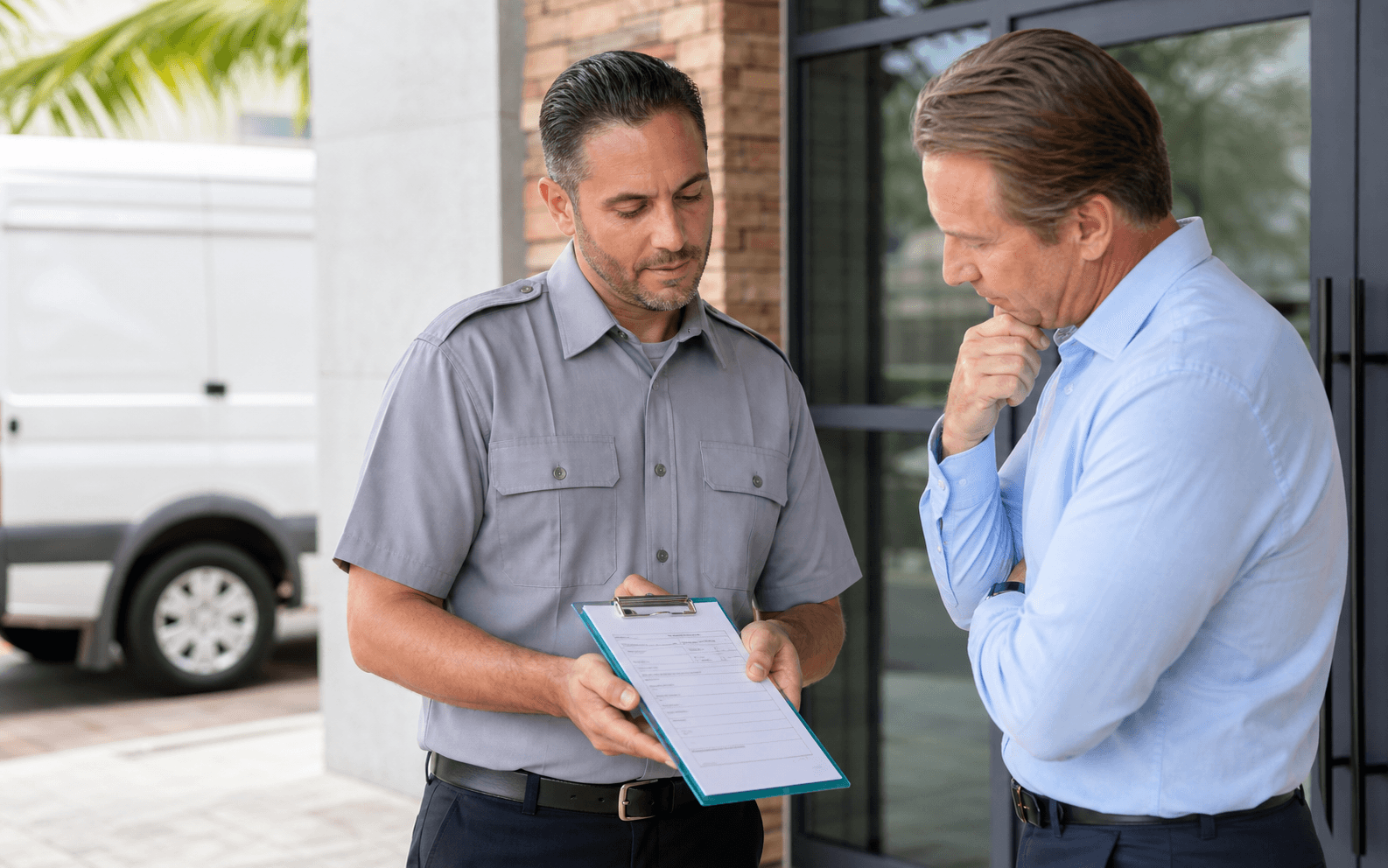
Yes, do locksmiths open safes is a fair question, and the short answer is that some locksmiths do, but not all of them offer safe-opening services. Safe work is a more specialized part of the trade than an everyday house or business lockout, so availability depends on the locksmith’s training, equipment, and the type of safe involved. In Southwest Florida, Greenlaw Lock and Key states that it offers safe services, including safe opening, repair, installation, and combination changes, but you should still confirm service availability for your location and specific safe model before you assume help is available.
If you are dealing with a locked safe, the most important first step is to confirm ownership or authorization. Many legitimate locksmiths will ask for proof before they work on a safe, especially if the request involves a commercial property, a shared space, or a safe-deposit style situation. That is not unusual. Safe-opening work can involve legal, insurance, and documentation concerns that ordinary door lock service does not always raise. If you are also dealing with a building lockout or need general help, you can review what to do during a lockout for a broader overview of non-destructive options.
What Safe Opening Means in Locksmith Work
Safe opening is usually a specialized service that goes beyond standard residential or commercial lock service. A locksmith who opens safes may work on dial safes, digital keypad safes, gun safes, commercial cash boxes, wall safes, and other storage products. However, not every locksmith is equipped for every safe. Some providers focus primarily on door hardware, rekeying, and access control, while others add safe work as a dedicated service category.
The safe itself matters as much as the locksmith. A small home safe with a common consumer lock is very different from a heavy commercial safe, a fire-resistant unit, or a specialty container with proprietary parts. Some safes can be serviced in place, while others may need the manufacturer’s guidance, a combination reset path, or parts replacement after a failed lock or mechanical issue. In many cases, the locksmith’s role is to assess the unit, confirm lawful access, and recommend the least damaging path that fits the product.
Because safe designs vary, service availability can also vary by city, county, and product type. A provider may be comfortable with one brand and not another, or may accept certain jobs only after confirming the model and ownership paperwork. This is especially common in areas with seasonal residents, rental properties, and mixed residential and commercial storage needs. If you are looking for a locksmith cape coral residents can contact, it is still wise to ask directly whether the safe in question can be serviced.
Common situations that lead people to call a locksmith for a safe
- Lost safe combination or forgotten code
- Dead keypad battery or electronic failure
- Damaged dial, handle, or locking components
- Safe locked after a move, inheritance, or property transfer
- Need for combination change after staff turnover or a tenancy change
- Safe that will not open after internal mechanical wear
Each of these situations may require a different approach. For example, a dead battery on a keypad safe may call for battery replacement or manufacturer guidance, while a mechanical failure may need repair rather than an opening service alone. A locksmith should evaluate the symptoms before promising a solution. Any estimate should be considered conditional until the safe type, condition, and access situation are confirmed.
What can affect whether a locksmith can help
- Safe brand and model
- Mechanical, electronic, or biometric lock type
- Whether parts are available for repair
- Proof of ownership or authorization
- Whether the safe is freestanding, built in, or anchored
- Whether the safe contains fire-rated or other protected contents
Some situations are better handled by the manufacturer, especially if the safe is still under support, uses a proprietary lock, or requires a replacement keypad, handle, or internal component. In other cases, a qualified locksmith may be able to open the safe and then recommend repair, reprogramming, or replacement. The right answer depends on the product and the reason it will not open.
How to Evaluate Safe Opening Options Safely and Lawfully
Safe opening is not only a technical question. It is also a legal and practical one. Florida law recognizes locksmith-related work involving safes in certain contexts, and local rules can affect how a provider handles access, documentation, and service requests. Because those requirements can vary by county and by the situation, it is best to treat every safe-opening request as a case that may need identity verification and authorization review before service is performed.
That is especially important for business safes, rental properties, inherited property, and shared-family situations. A trustworthy locksmith should be able to explain what documentation they need and why. If a provider is unwilling to discuss ownership verification at all, that may be a sign to ask more questions before proceeding. A legitimate service should balance access, privacy, and lawful process.
Comparison: A general locksmith can often help with house or business lockouts, but safe opening is more specialized because the technician may need model-specific knowledge, authorization checks, and a method that protects the safe and its contents as much as possible.
Some owners assume that every safe can be opened in the same way, but that is not true. A compact home safe, a commercial deposit safe, and a high-security container may each call for a different service path. For example, one unit might need a battery or keypad check, another may need a manufacturer combination process, and another may require opening followed by repair. Price, timeline, and outcome can all vary based on those differences.
| Safe situation | Possible next step | Who may be best to contact | Important note |
|---|---|---|---|
| Forgotten combination | Ownership review and service assessment | Locksmith or manufacturer | Availability depends on the safe model and proof of authorization |
| Dead keypad or battery failure | Battery check or diagnostic service | Locksmith or manufacturer | Some models use accessible batteries, while others do not |
| Damaged lock or handle | Repair assessment after lawful access review | Locksmith | Repair may be possible after opening, but not every part is replaceable |
| Inherited or transferred safe | Documented authorization review | Locksmith, attorney, estate representative, or manufacturer | Ownership questions may need to be resolved before service |
| Commercial safe used by employees | Access verification and combination change | Commercial locksmith | Business policies and internal controls can affect how service is handled |
When you compare service options, focus on more than just the ability to open the safe. Ask whether the provider services your type of lock, whether repair is possible after opening, and whether the company can explain any limits before dispatching. Also ask whether the safe can be checked on-site or whether it may need additional evaluation. Variable pricing is common in this field because safe type, access conditions, labor, parts, and documentation requirements all influence the final cost.
Questions to ask before scheduling safe service
- Do you service this safe brand and lock type?
- What ownership or authorization documents will you need?
- Can you assess whether repair is possible after opening?
- Do you coordinate with the manufacturer when needed?
- Are there any safe types you do not service?
If your safe is part of a business security system, there may be additional considerations. Company policies, employee access records, and internal approval can all matter. For landlords, tenants, property managers, and estate representatives, the paperwork may be different again. The goal is not simply to gain access. It is to do so in a way that is lawful, documented, and appropriate to the property type.
It is also worth noting that some safe-related requests are not really locksmith problems at all. If the safe is part of a damaged structure, has water or fire exposure, or contains regulated items, a locksmith may need to coordinate with the owner, insurer, manufacturer, or another qualified professional. That is not a sign of refusal. It is often the safest and most responsible route.
Frequently Asked Questions
Do locksmiths open safes of all brands?
No. Some locksmiths do open safes, but brand coverage is not universal. Safe-opening experience can vary widely, and some brands use proprietary parts or methods that may require manufacturer support. Always ask whether the locksmith has experience with your specific model before scheduling service.
Will a locksmith ask for proof that the safe is mine?
Often, yes. Many reputable locksmiths will want to verify ownership or authorization before opening a safe, especially for commercial properties, rental units, or inherited items. That request is a normal part of lawful service and should be expected.
Should I call the manufacturer instead of a locksmith?
Call the manufacturer when the safe is under support, uses a proprietary lock, needs a replacement part, or has a battery or electronic issue that the manual addresses. A locksmith may still be able to help, but manufacturer guidance can be the best first step in some cases.
Can any safe be opened without damage?
No, and no one should promise that in every case. The condition of the safe, the lock type, prior damage, and missing keys or codes all affect the outcome. A qualified provider should explain the likely options and the risks before work begins.
What should I do if the safe contains important documents or valuables?
Do not force the safe or tamper with it. Gather any model information, proof of ownership, and relevant paperwork, then contact a qualified locksmith or the manufacturer. If the items are time-sensitive, let the provider know that urgency is a factor so they can advise on the most appropriate lawful next step.