
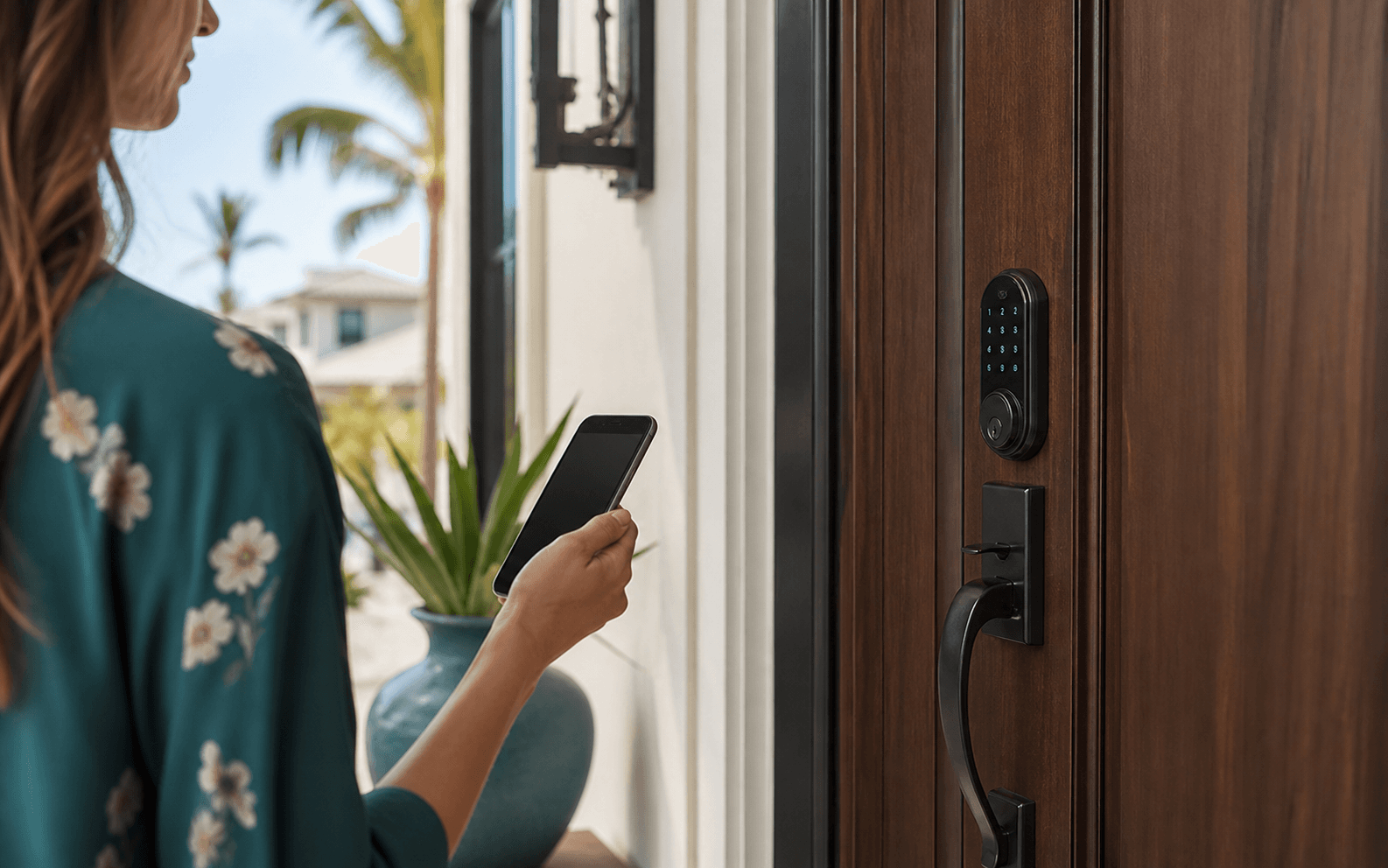
Yes, do locksmiths open house doors is a fair question with a practical answer: in many cases, locksmiths do open house doors for authorized homeowners, tenants, property managers, or other verified occupants who are locked out. The exact service is usually framed as a residential lockout solution, and the goal is typically to regain entry without unnecessary damage. That said, the method, timing, price, and whether a company offers this service can vary by provider, by lock type, and by the situation at the door.
For homeowners in Southwest Florida, the most important point is not just whether a locksmith can help, but whether you can verify that you are allowed to enter the property. A reputable company will usually ask questions about identity, address, and ownership or occupancy before starting work. If the situation is unclear, or if there is any dispute about access, the safer path is to involve the property owner, landlord, HOA, law enforcement when appropriate, or the manufacturer or installer if the issue is tied to a specialty access system.
If you are looking for a local company, a residential locksmith fort myers service may be the right starting point when the need is about home entry, lock rekeying, or other residential lock concerns. If you are not sure what to ask for, the guide what to do during a lockout can help you think through the next step before you call anyone.
What a locksmith can do when a house door is locked
Locksmiths are often called for residential lockouts, but the details matter. Opening a house door is not the same thing as forcing it, damaging it, or defeating a security device. In many straightforward cases, the service involves working with the existing lock and door hardware in a non destructive way when possible. However, not every door or lock can be addressed the same way, and no honest locksmith can promise a universal outcome.
Common situations where homeowners call
- Keys are lost, misplaced, or left inside the house.
- A door closed behind you and the lock engaged.
- A deadbolt or handle lock is not operating normally.
- A key is broken in the lock, but the door is still shut.
- A tenant, homeowner, or authorized guest needs access after verifying identity.
What affects whether entry is simple or complicated
Several factors can change the difficulty of a house-door call. The type of lock is one factor, but it is not the only one. Door alignment, worn hardware, security features, smart lock settings, weather-related swelling, and prior repairs can all affect the outcome. A modern lock set may behave differently than an older mechanical lock, and a smart deadbolt may need a different approach than a standard keyed knob.
Some locks are designed to be more resistant to tampering and may take more time to address. That does not mean the answer is to damage the door. It means the locksmith may need to assess the hardware, confirm authorization, and choose the least invasive lawful option available. When the issue involves an electronic system or a specialty product, the manufacturer or installer may also be part of the solution.
Why verification matters
Before a locksmith opens a house door, they should confirm that the request is legitimate. This protects the homeowner, the renter, the locksmith, and the property. Expect reasonable questions such as the address, a photo ID, and a description of the property or nearby landmarks. If you do not have ID on you, some companies may still have a process for confirming occupancy through other documentation or with a property manager, but that depends on company policy and local law.
That is one reason the phrase do locksmiths open house doors should always be paired with the question, “Can I prove I belong here?” If the answer is yes, many locksmiths can help. If the answer is uncertain, it is better to pause and sort out authorization before any work begins.
Comparison: A residential locksmith is often the first call for a normal lockout, while a property manager, landlord, dealer, manufacturer, or law enforcement may be the better option if access is disputed, the lock is a specialty system, or the situation involves safety, legality, or a nonstandard entry control.
What to expect from a house-door service call
Home lockout services are not one size fits all. The practical steps that come after your call depend on the provider, your location, the hardware, and whether you can quickly verify identity. Some companies focus heavily on residential work, while others mainly advertise commercial or mixed services. Public website wording may not list every service even if the company can help in certain situations, so it is reasonable to ask directly what they handle.
Questions to ask before you book
- Do you handle residential lockouts for house doors?
- What proof of occupancy or identity do you require?
- Do you offer non destructive entry when possible?
- Are smart locks, keypad locks, or deadbolts within your service range?
- How do you handle a situation if the door has damaged hardware or a broken key?
How pricing is usually determined
Prices for residential lockout service can vary a lot. Factors that may affect cost include the time of day, travel distance, labor complexity, lock type, whether the door is a standard entry door or a specialty setup, and whether extra work is needed after entry. If a locksmith must replace a damaged component, rekey a lock, or address a failed electronic lock, that is usually separate from a basic opening service.
Because costs can change based on the exact situation, it is smart to ask for the company’s pricing policy before approving work. A responsible locksmith should be clear that estimates can change if the job becomes more complicated than expected. Avoid anyone who refuses to explain fees or pressures you to approve work without confirming the situation.
Typical factors that influence a house-door call
| Factor | Why it matters | What to ask |
|---|---|---|
| Lock type | Different locks require different approaches and may have different limitations | Can you work on my specific lock or door hardware? |
| Proof of occupancy | Confirms you are authorized to enter the property | What ID or documents do you need? |
| Condition of hardware | Wear, damage, or misalignment can make the job more complex | Will you inspect the hardware before starting? |
| Time and location | After-hours calls and longer travel can change pricing and timing | How is your service priced for my area and time of day? |
| Electronic features | Smart locks or keypad systems may involve software, batteries, or paired devices | Do you service electronic residential locks, or should I contact the manufacturer? |
When damage-free entry is not guaranteed
Many house-door lockouts can be handled without damage, but no one should promise that every situation will be perfectly simple. Older hardware, poorly installed locks, previous break-in damage, broken keys, swollen wood doors, and failing smart lock components can all complicate the job. If a locksmith says the door or hardware needs repair after entry, ask for a plain explanation of what failed and whether the item should be replaced, repaired, or reviewed by the manufacturer.
It is also wise to avoid any suggestion of tampering with fire-rated doors, egress hardware, vehicle systems, or similar safety-critical equipment. Those areas have special code and safety rules, and the right answer is often to stop and call the appropriate professional.
How to reduce future lockout stress
- Keep a spare key with a trusted person, if appropriate.
- Use a key hook, bowl, or consistent storage spot.
- Check battery status on keypad or smart locks regularly.
- Consider rekeying if a key is lost and security is uncertain.
- Know the name and number of a local residential locksmith before you need one.
In Southwest Florida, a home lockout can happen in the middle of an ordinary day or after hours when the situation feels urgent. Planning ahead makes it easier to stay calm and avoid rushing into a bad decision. If you are comparing services, focus on authorization, clear communication, and whether the company actually handles the type of house door you have. Not every provider advertises the same residential scope, and public web pages may emphasize different lines of work, so a quick call can save time.
Frequently Asked Questions
Do locksmiths open house doors without damaging the lock?
Often, yes, if the door and hardware allow it and the situation is straightforward. Many locksmiths aim for non destructive entry when possible. Still, no one can guarantee a damage free outcome in every case because the result depends on the lock type, the condition of the door, and any prior damage or installation issues.
Will a locksmith ask for proof that I live there?
Usually, yes. A legitimate locksmith should verify that you are authorized to enter before opening a house door. That may include a photo ID, an address, or other documentation. Some companies may accept a property manager or landlord’s confirmation, but policies vary.
Can a locksmith open a smart lock or keypad lock on a house door?
Sometimes, but not always in the same way as a standard mechanical lock. Smart systems can involve batteries, software, pairing issues, or hardware faults. If the issue is with the electronics rather than the door itself, the locksmith may refer you to the manufacturer, installer, or the app or account support team.
Is a locksmith the right call for every house-door problem?
No. A locksmith is often the right call for a lawful residential lockout, rekeying, lock repair, or hardware replacement. If there is a dispute about access, a major property issue, a specialty system, or a safety matter, the property owner, manager, manufacturer, or law enforcement may be the more appropriate contact.
What should I ask when I call for a house-door lockout?
Ask whether they handle residential lockouts, what proof they need, whether they use non destructive entry when possible, and how pricing is determined. It is also smart to ask whether they service your specific lock type, especially if you have a smart lock, keypad, deadbolt, or an older door with worn hardware.